eCoC EU² versus Manual eCoC Submission: The Real Time and Cost Savings of Automation
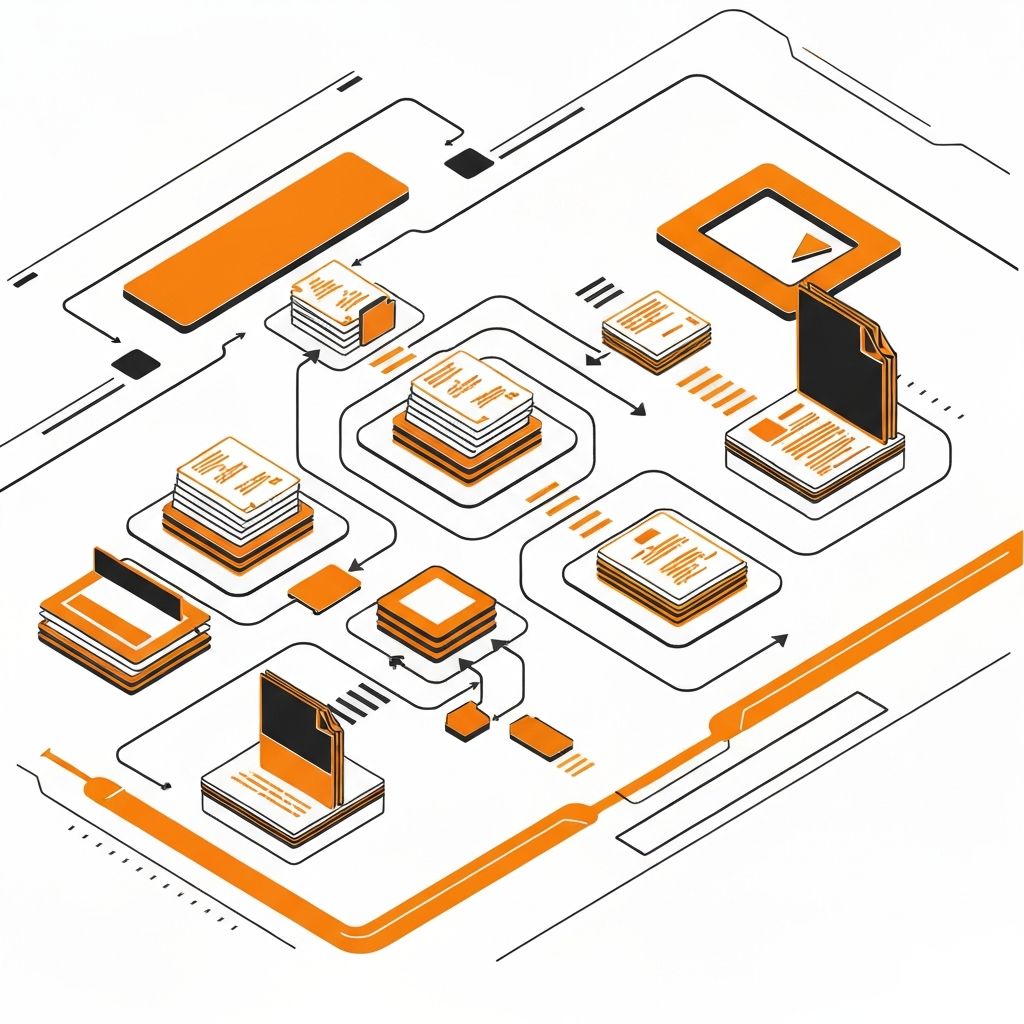
Two routes to satisfying the eCoC mandate
Once the eCoC goes live, every M, N and O category vehicle requires a digitally signed eCoC filed with a NAP before registration is possible. You can reach that point two ways: do it manually through the NAP portal, or automate the entire pipeline with the eCoC EU² software.
The manual route looks cost-free on paper. In reality it is the priciest choice once you add up the engineering hours spent wrangling IVI XML, the rejections that can only be repaired offline, the standalone e-signing licence and the spreadsheet data entry sitting behind every certificate. This piece sets the two approaches side by side.
The submission process, stage by stage
Both routes pass through the same six stages. What differs is how much of each stage is automated and how much falls on a person.
Gather data
Type approval, VIN and technical data are collected for each vehicle.
Build the XML
The data is laid out to the IVI 2.0 schema and checked for completeness.
Digital signature
The finished XML is digitally signed to EU standards.
File with the NAP
The eCoC is sent to the IVI National Access Point (the NAP gateway).
Validation
The NAP checks the submission against the IVI 2.0 schema and returns feedback.
Registration
A valid eCoC is recorded nationally and the vehicle can then be registered with the authority.
eCoC EU² automates stages 1 through 4 from start to finish and presents the stage 5 feedback in plain language. Handled manually, each stage means a separate tool and another manual hand-off.
eCoC EU² versus the manual NAP portal, side by side
| Capability | e2eCoC EU2 | Manual eCoC submission |
|---|---|---|
| Time to file | Minutes for a whole batch: generate, validate, sign and submit in one pass. | 30 to 45 minutes per certificate, one vehicle at a time. |
| IVI XML preparation | Valid IVI 2.0 XML generated automatically with the correct EU Member State approval authority codes. | Hand-configure the XML, or run a EUCARIS conversion tool, then edit the country-specific approval authority codes by hand in hard-to-read raw files. |
| Pre-submission validation | Built-in schema validation catches errors and guides you to the correct values before anything is sent. Incorrectly completed eCoCs are never transmitted, which prevents rejections at NAP level. Every error is caught before submission, and the wrong fields are highlighted in an easy-to-read interface so they are quick to spot and fix. | No pre-check. The receiving NAP rejects on submission, the portal offers no in-place fix, and you reconfigure the file offline and resubmit. |
| Vehicle data entry | Automatic import of vehicle data from a VIN lookup. | Manual spreadsheet management: copy and paste data for every vehicle. |
| Edits and corrections | Fully editable records with a complete, timestamped audit trail. | Re-edit the raw XML by hand, with no audit trail of what changed or who changed it. |
| Digital signing | Seamless integrated XAdES signing as part of the flow. | A separate e-signing platform at additional licence cost and extra manual steps. |
| Cross-border submission | Integrated with every EU National Access Point for vehicles registered across Member States. | A separate manual process and a different portal for each country. |
| Audit trail and CoP compliance | Full traceable history for every certificate, ready for Conformity of Production checks. | Manual record-keeping in spreadsheets and shared drives. |
| Scalability | Bulk processing for high-volume production lines. | One certificate at a time; throughput is limited by people. |
| Cost of errors | Minimal. Most errors are caught before submission. | Each rejection means offline rework and a registration delay for that vehicle. |
Where the manual route quietly drains money
VIN lookup versus spreadsheets
eCoC EU² draws vehicle data automatically through a VIN lookup. The manual route leans on copy-and-paste from Excel — slow work, and by far the biggest source of the data-entry errors the NAP later rejects.
Validate up front, not afterwards
The NAP portal only validates at submission and then rejects the entire file — there is no editor inside the portal. eCoC EU² checks against the IVI schema first, so you resolve problems before they turn into a rejection and a delay.
XML you never have to open
Manually, you either hand-edit IVI XML or run a conversion tool — including those EUCARIS points to — and then fix the country-specific approval authority codes yourself. eCoC EU² turns out correct, signed XML without anyone ever reading a tag.
Exporting across the EU
Export vehicles across the EU and you must also file in other Member States. eCoC EU² is wired into EU National Access Points, so cross-border submission becomes a single workflow instead of one portal per country.
Try it on your own vehicles
The quickest way to gauge the difference is to push a handful of your own VINs through eCoC EU² and watch each eCoC generate, validate and sign within minutes.
Ready for the EU eCoC rollout?
Book a free demo and see how eCoC EU² can have your eCoC process production-ready across every EU Member State.